



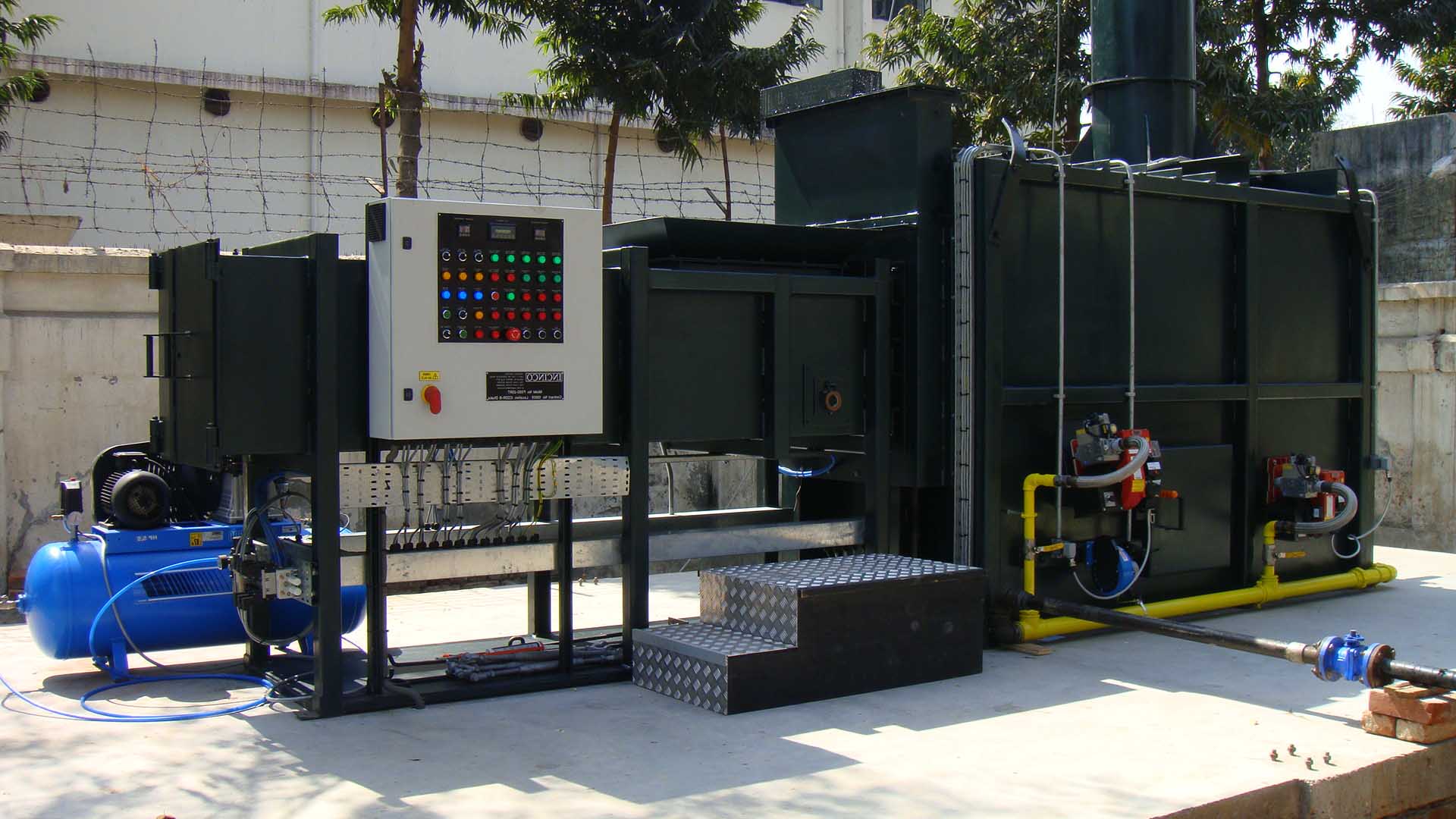
Industrial-Waste-Incinerator
Industrial Waste Incinerator
Industrial Waste Incinerator Manufacturer | Medical, General & Mobile Waste Incinerators | ATAMA
Industrial Waste Incinerator
An Industrial Waste Incinerator is a high-temperature thermal treatment system specifically designed for the safe, hygienic, and environmentally responsible disposal of industrial, medical, hospital, laboratory, hazardous, and municipal waste.
By utilizing controlled high-temperature combustion, industrial incinerators significantly reduce the volume and weight of waste while destroying pathogens, hazardous organic compounds, and harmful contaminants. This process minimizes environmental pollution, reduces landfill dependency, and supports sustainable waste management practices.
Today, industrial waste incineration has become one of the most reliable waste treatment methods for hospitals, healthcare facilities, petrochemical plants, refineries, manufacturing industries, military facilities, municipalities, mining operations, power plants, and remote industrial sites.
As a specialized engineering company, ATAMA designs and manufactures a complete range of Industrial Waste Incinerators, Medical Waste Incinerators, and Mobile Waste Incinerators in various capacities tailored to each customer's operational requirements.
Every incinerator system is custom-engineered according to the project specifications, waste characteristics, required processing capacity, available fuel source, environmental regulations, and installation conditions.
Why Industrial Waste Incineration Is Important
Proper waste management is one of today's greatest industrial and environmental challenges.
Improper disposal of industrial or medical waste can result in:
- Environmental pollution
- Groundwater contamination
- Soil contamination
- Air pollution
- Spread of infectious diseases
- Offensive odors
- Increased landfill usage
- Serious public health risks
Industrial waste incinerators provide a controlled and efficient solution by safely destroying waste materials at high temperatures while dramatically reducing waste volume.
ATAMA Industrial Waste Incinerators are engineered to deliver:
- Safe waste destruction
- Complete combustion
- High thermal efficiency
- Reduced emissions
- Lower waste transportation costs
- Compliance with environmental regulations
- Long-term operational reliability
Types of Industrial Waste Incinerators
ATAMA manufactures three primary categories of waste incineration systems.
1. Medical Waste Incinerator
Medical Waste Incinerators are specifically designed for the destruction of infectious, pathological, pharmaceutical, laboratory, and healthcare waste generated by hospitals and medical facilities.
These systems ensure complete destruction of infectious materials while minimizing harmful emissions through controlled two-stage combustion.
Capacity Range
25–500 kg/hour
Typical Applications
- Hospitals
- Medical Centers
- Healthcare Facilities
- Laboratories
- Clinics
- Veterinary Hospitals
- Research Centers
- Pharmaceutical Facilities
2. Mobile Waste Incinerator
Mobile Waste Incinerators are engineered for projects where waste disposal equipment must be transported between different operating locations.
Mounted on a transportable platform or skid, these systems offer rapid deployment and reliable performance in temporary or remote environments.
Capacity Range
100–400 kg/hour
Typical Applications
- Construction Sites
- Oil & Gas Camps
- Mining Operations
- Military Bases
- Remote Industrial Projects
- Disaster Relief Areas
- Temporary Work Camps
- Remote Communities
3. General Waste Incinerator
General Waste Incinerators are designed for the disposal of municipal, commercial, and industrial solid waste generated across various industries.
These heavy-duty systems are suitable for continuous operation and can be customized for different waste compositions and processing capacities.
Capacity Range
100–1,500 kg/hour
Typical Applications
- Oil & Gas Industry
- Petrochemical Plants
- Oil Refineries
- Manufacturing Facilities
- Power Plants
- Industrial Parks
- Municipal Waste Management
- Food Processing Plants
- Chemical Industries
Key Advantages of ATAMA Industrial Waste Incinerators
ATAMA incineration systems are designed to deliver maximum efficiency, operational reliability, and long service life.
Key benefits include:
- Custom engineering for every project
- Available in a wide range of processing capacities
- High combustion efficiency
- Significant waste volume reduction
- Lower transportation and landfill costs
- Robust high-temperature construction
- Premium refractory lining
- Energy-efficient burner systems
- Reliable and safe operation
- Long equipment lifespan
- Easy maintenance
- Customizable control systems
- Compliance with international engineering practices
Why Choose ATAMA?
ATAMA is a specialized engineering and manufacturing company with extensive experience in designing industrial process equipment for demanding applications.
Our engineering team develops customized waste incineration systems tailored to each client's technical requirements, operational conditions, and environmental objectives.
Our Advantages
- Custom engineering solutions
- Project-specific design
- Manufacturing capacities from 25 to 1,500 kg/hour
- High-quality industrial components
- Strict quality control throughout production
- Engineering documentation and technical drawings
- Installation and commissioning support
- Operator training
- After-sales services
- Spare parts supply
- Long-term technical support
Technical Specifications of Industrial Waste Incinerators
ATAMA Industrial Waste Incinerators are engineered to provide safe, efficient, and environmentally responsible waste disposal. Each system is custom-designed according to the client's operational requirements, waste characteristics, environmental regulations, and desired processing capacity.
Typical design parameters include:
- Processing Capacity: 25–1,500 kg/hour
- Combustion Temperature: 850°C–1,200°C
- Dual-Chamber Combustion System
- Automatic Burner Control
- PLC-Based Control Panel (Optional)
- Diesel, Natural Gas or LPG Fuel Options
- Heavy-Duty Refractory Lining
- High-Temperature Insulation
- Low Fuel Consumption
- Continuous or Batch Operation
- Customized Feeding System
- Optional Air Pollution Control System
- Easy Maintenance and Inspection Access
Every incinerator is manufactured using high-quality materials and undergoes strict quality control procedures before delivery.
Working Principle
An Industrial Waste Incinerator operates through a carefully controlled thermal combustion process.
Waste materials are loaded into the Primary Combustion Chamber, where they are ignited and subjected to high temperatures under controlled airflow conditions. During this stage, moisture is removed and combustible materials begin to decompose.
The combustion gases generated in the primary chamber are then directed into the Secondary Combustion Chamber, where additional burners maintain a significantly higher temperature. This secondary combustion process ensures that harmful gases, smoke, volatile organic compounds (VOCs), and unburned particles are almost completely destroyed.
Finally, the treated flue gases may pass through an optional emission control system before being discharged through the chimney in accordance with applicable environmental regulations.
This two-stage combustion process significantly improves combustion efficiency while reducing smoke, odor, and harmful emissions.
Primary Combustion Chamber
The Primary Combustion Chamber is the first stage of the incineration process.
Its main functions include:
- Waste ignition
- Moisture evaporation
- Initial combustion
- Volume reduction
- Ash formation
The chamber is lined with high-grade refractory materials capable of withstanding continuous exposure to elevated temperatures.
Secondary Combustion Chamber
The Secondary Combustion Chamber plays a critical role in emission control.
Here, combustion gases are exposed to very high temperatures and sufficient residence time to ensure complete oxidation.
Advantages include:
- Reduced smoke
- Lower carbon monoxide emissions
- Destruction of volatile organic compounds
- Odor reduction
- Improved combustion efficiency
- Compliance with environmental requirements
Burner System
ATAMA Industrial Waste Incinerators can be equipped with high-efficiency burners suitable for various fuel types.
Available fuel options include:
- Diesel
- Natural Gas
- LPG
Automatic burner management optimizes fuel consumption while maintaining stable combustion temperatures throughout the operating cycle.
Control System
The control system is designed to simplify operation while maximizing safety and efficiency.
Depending on customer requirements, systems may include:
- PLC Automation
- Digital Temperature Monitoring
- Burner Management System
- Automatic Alarm Functions
- Emergency Shutdown
- Timer Functions
- Operating Hour Counter
- Remote Monitoring (Optional)
- Touch Screen HMI (Optional)
These features help operators maintain stable operating conditions and improve process reliability.
Main Components
A complete ATAMA Industrial Waste Incinerator typically includes:
- Primary Combustion Chamber
- Secondary Combustion Chamber
- High-Efficiency Burners
- Refractory Lining
- Thermal Insulation
- Waste Loading Door
- Ash Removal Door
- Chimney Stack
- Forced Air Blower
- Combustion Air System
- Fuel Supply System
- PLC Control Panel (Optional)
- Temperature Sensors
- Safety Interlock System
- Structural Steel Frame
Optional accessories may include:
- Automatic Waste Feeding System
- Ash Handling System
- Heat Recovery Unit
- Flue Gas Cleaning System
- Bag Filter
- Wet Scrubber
- Cyclone Separator
- Continuous Emission Monitoring System (CEMS)
Production Capacity
ATAMA manufactures Industrial Waste Incinerators in a wide range of capacities to suit different industries and operational requirements.
Medical Waste Incinerators
- 25 kg/hour
- 50 kg/hour
- 100 kg/hour
- 150 kg/hour
- 200 kg/hour
- 300 kg/hour
- 500 kg/hour
Suitable for:
- Hospitals
- Clinics
- Medical Laboratories
- Healthcare Facilities
Mobile Waste Incinerators
- 100 kg/hour
- 150 kg/hour
- 200 kg/hour
- 300 kg/hour
- 400 kg/hour
Suitable for:
- Remote Sites
- Oil & Gas Camps
- Mining Operations
- Military Facilities
- Construction Projects
General Industrial Waste Incinerators
- 100 kg/hour
- 200 kg/hour
- 300 kg/hour
- 500 kg/hour
- 750 kg/hour
- 1,000 kg/hour
- 1,500 kg/hour
Suitable for:
- Refineries
- Petrochemical Plants
- Industrial Complexes
- Municipal Waste Facilities
- Manufacturing Industries
Engineering and Manufacturing
Every ATAMA incinerator is engineered using modern design principles and manufactured under strict quality control procedures.
Key engineering features include:
- Project-specific design
- Heavy-duty steel construction
- High-temperature refractory insulation
- Premium industrial components
- Optimized airflow design
- Maximum thermal efficiency
- Long service life
- Easy maintenance
- Reliable operation
- Custom-built solutions
Applications of Industrial Waste Incinerators
Industrial waste incinerators are used across a wide range of industries where safe, efficient, and environmentally compliant waste disposal is essential.
ATAMA incineration systems are designed for continuous operation in demanding industrial environments and can be customized for different waste types and processing capacities.
Typical Applications
- Hospitals
- Healthcare Facilities
- Medical Centers
- Pharmaceutical Companies
- Biotechnology Laboratories
- Research Institutes
- Petrochemical Plants
- Oil Refineries
- Oil & Gas Facilities
- Power Plants
- Manufacturing Industries
- Mining Operations
- Steel Plants
- Cement Plants
- Chemical Industries
- Municipal Waste Management
- Military Facilities
- Airports
- Seaports
- Remote Industrial Camps
Types of Waste That Can Be Treated
ATAMA Industrial Waste Incinerators are capable of processing a wide variety of combustible waste materials, depending on project requirements.
Typical waste streams include:
Medical Waste
- Infectious Waste
- Clinical Waste
- Pathological Waste
- Pharmaceutical Waste
- Sharps Waste
- Laboratory Waste
- Contaminated PPE
- Surgical Waste
Industrial Waste
- Packaging Materials
- Paper
- Cardboard
- Wood
- Textiles
- Plastic Waste
- Rubber Waste
- Oil-Contaminated Materials
- Industrial Sludge (subject to design)
- General Combustible Waste
International Standards
Industrial waste incinerators should be designed and manufactured in accordance with internationally recognized engineering and environmental standards.
Depending on project specifications, ATAMA designs may comply with relevant requirements of:
- ISO 9001 – Quality Management Systems
- ISO 14001 – Environmental Management Systems
- ISO 45001 – Occupational Health & Safety
- European Industrial Emissions Guidelines
- WHO Recommendations for Healthcare Waste
- Local Environmental Regulations
- National Air Emission Standards (where applicable)
Compliance requirements vary by country and project. ATAMA can customize systems to meet client-specific regulatory needs.
Benefits of Using an Industrial Waste Incinerator
Installing an industrial waste incineration system offers significant operational, environmental, and economic advantages.
Environmental Benefits
- Significant reduction in waste volume
- Lower landfill dependency
- Reduced environmental contamination
- Destruction of harmful pathogens
- Reduction of unpleasant odors
- Improved waste handling practices
Operational Benefits
- Reliable waste disposal
- Continuous operation capability
- Reduced waste transportation
- Lower disposal costs
- Increased workplace hygiene
- Improved site safety
Economic Benefits
- Reduced landfill fees
- Lower transportation expenses
- Lower outsourcing costs
- Long equipment service life
- High return on investment
- Reduced operational risks
How to Select the Right Incinerator Capacity
Selecting the appropriate incinerator depends on several engineering factors.
The following parameters should be evaluated before choosing a system:
- Daily waste generation
- Waste composition
- Moisture content
- Operating hours
- Fuel availability
- Installation location
- Environmental regulations
- Future expansion plans
ATAMA engineers evaluate each project individually to recommend the most suitable incineration solution.
Comparison of ATAMA Waste Incinerator Types
| Feature | Medical Waste Incinerator | Mobile Waste Incinerator | General Waste Incinerator |
|---|---|---|---|
| Capacity | 25–500 kg/h | 100–400 kg/h | 100–1,500 kg/h |
| Installation | Fixed | Portable | Fixed |
| Main Application | Healthcare | Remote Projects | Industrial Facilities |
| Mobility | No | Yes | No |
| Custom Design | ✔ | ✔ | ✔ |
| Continuous Operation | ✔ | ✔ | ✔ |
Why Invest in an Industrial Waste Incinerator?
Modern industries face increasing environmental responsibilities and stricter waste management regulations.
An industrial waste incinerator provides a long-term solution by enabling organizations to:
- Safely destroy hazardous waste
- Reduce environmental liabilities
- Improve regulatory compliance
- Minimize waste disposal costs
- Increase operational efficiency
- Enhance workplace safety
- Support sustainable environmental practices
For many industrial facilities, investing in an on-site incineration system results in lower long-term operating costs compared to relying solely on external waste disposal services.
Why Choose ATAMA?
ATAMA combines engineering expertise, manufacturing experience, and customer-focused solutions to deliver reliable waste treatment systems.
Our strengths include:
- Customized engineering for every project
- High-quality manufacturing standards
- Modern production facilities
- Experienced engineering team
- Flexible capacity options
- Reliable after-sales support
- Worldwide project capability
- Long-term spare parts availability
- Technical documentation
- Installation and commissioning assistance
Whether your project requires a compact medical waste incinerator or a high-capacity industrial waste treatment system, ATAMA provides solutions tailored to your operational requirements.
Frequently Asked Questions (FAQ)
What is an Industrial Waste Incinerator?
An Industrial Waste Incinerator is a high-temperature thermal treatment system designed to safely destroy industrial, medical, municipal, and hazardous combustible waste while significantly reducing its volume and minimizing environmental impact.
What types of waste can be treated?
Depending on the system configuration, ATAMA incinerators can process:
- Medical waste
- Hospital waste
- Clinical waste
- Pathological waste
- Pharmaceutical waste
- Industrial solid waste
- Municipal waste
- Laboratory waste
- Oil-contaminated materials
- Plastic waste
- Rubber waste
- Paper and cardboard
- Textile waste
- Wood waste
What capacity should I choose?
The required capacity depends on:
- Daily waste generation
- Waste type
- Operating hours
- Future expansion
- Environmental regulations
ATAMA engineers evaluate every project individually to recommend the most suitable solution.
Are ATAMA incinerators customized?
Yes.
Every Industrial Waste Incinerator is engineered according to the customer's:
- Waste characteristics
- Required processing capacity
- Available fuel
- Installation conditions
- Local environmental regulations
Which fuels can be used?
Available burner options include:
- Diesel
- Natural Gas
- LPG
Alternative fuel options can also be considered depending on project requirements.
Can the system operate continuously?
Yes.
Industrial Waste Incinerators can be designed for either:
- Batch Operation
- Continuous Operation
depending on plant requirements.
What is the expected service life?
With proper operation and periodic maintenance, ATAMA incinerators are designed to provide many years of reliable service.
Service life depends on:
- Operating conditions
- Waste composition
- Burner maintenance
- Refractory inspection
- Preventive maintenance program
Do you provide installation and commissioning?
Yes.
ATAMA provides:
- Engineering consultation
- Installation supervision
- Commissioning
- Operator training
- Maintenance guidance
- Technical documentation
- Spare parts support
- After-sales service
Industries We Serve
ATAMA Industrial Waste Incinerators are trusted by organizations across a wide range of industries.
Healthcare
- Hospitals
- Clinics
- Medical Centers
- Laboratories
- Pharmaceutical Companies
Oil & Gas
- Refineries
- Petrochemical Plants
- Oil Storage Facilities
- Gas Processing Plants
Industrial Manufacturing
- Steel Plants
- Cement Plants
- Chemical Industries
- Food Processing
- Textile Industry
- Paper Mills
Public Sector
- Municipalities
- Waste Management Companies
- Military Facilities
- Airports
- Ports
- Universities
- Government Organizations
Why ATAMA?
ATAMA is committed to delivering reliable, efficient, and customized industrial solutions.
Our commitment includes:
- Innovative engineering
- High manufacturing quality
- Strict quality control
- International engineering practices
- Customized project solutions
- Competitive pricing
- Reliable technical support
- Long-term partnership with customers
With years of engineering experience, ATAMA continues to provide advanced waste treatment solutions for industrial clients in domestic and international markets.
Request a Consultation
Choosing the right Industrial Waste Incinerator requires careful evaluation of waste characteristics, processing capacity, environmental regulations, and operational requirements.
Our engineering team is ready to help you select the most efficient and cost-effective solution for your project.
Contact ATAMA today for:
- Technical Consultation
- Project Evaluation
- Capacity Selection
- Budget Estimation
- Product Catalog
- Technical Proposal
- Custom Engineering Solutions
Conclusion
Industrial Waste Incinerators play a critical role in modern waste management by providing a safe, efficient, and environmentally responsible method for treating combustible waste.
Whether for healthcare facilities, industrial plants, oil & gas projects, or municipal applications, selecting the right incineration system improves operational efficiency, reduces disposal costs, minimizes environmental impact, and supports long-term sustainability.
ATAMA designs and manufactures customized Industrial Waste Incinerators with capacities ranging from 25 kg/h to 1,500 kg/h, delivering reliable solutions tailored to each customer's operational requirements.
Download pdf catalog